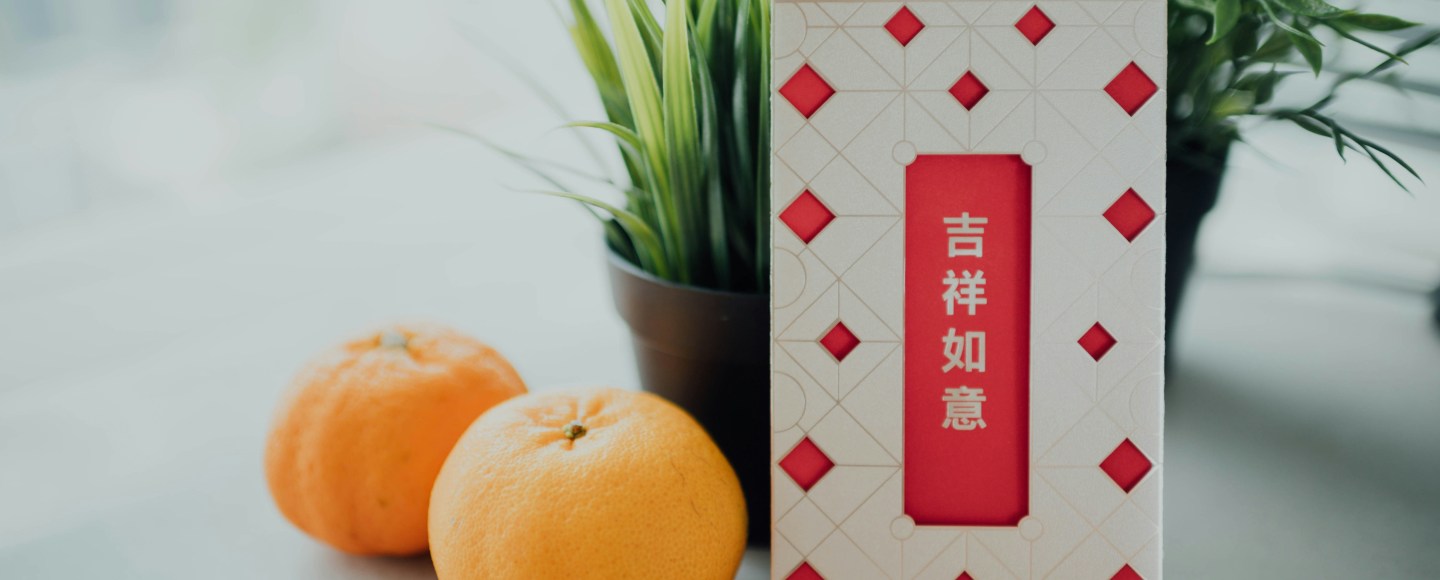

Today is the eve of Chinese new year, often more significant than the new year day, because it is this evening when families “wei lu” (圍爐, gather around the hearth) and “tuan yuan” (團圓, reunite again). As the Chinese zodiac calendar of the 60-year cycle becomes more known, along with the fact that the lunar new year is literally when a new moon cycle begins, it’s easier to draw connections between lunar new year and spiritual and pagan meanings.
To me, Chinese new year is much more cultural than spiritual. I’m Taiwanese and grew up with my Chinese heritage, not involved deeply with the folk believes and the deities, and found connection to paganism much later, but realized I need to proactively nurture my heritage after moving to the U.S.
As time went on, I have been curious how these two parts of me will merge. For example, autumn is signified by both Mid-autumn Festival and Samhain, two holidays I love. Chinese New Year is often not far from Imbolc as well. While the cultures—Chinese and Irish Celtic—bestow different traditions behind the holidays, they celebrate similar times of the seasons. To celebrate both is partly to understand the life and the seasons of these cultures. It is quite magical to live in the modern world where we can learn things beyond our own experiences; it’s almost like time and space travel.
The way I grew up, the most significant activities for Chinese New Year are 1) reunion and feasting, 2) “big cleaning”, and 3) spring festival couplets (Chinese new year is also called spring festival). Reunion and feasting is probably at the heart of every major holiday in every culture. “Big cleaning” in Chinese is basically a big clutter clearing effort to respect new beginnings and honor gods and our homes. Couplets are blessings in written words, a traditional but also easily modernizable, adaptable practice to bless this specific year and wish each other well. I feel like only couplets are more specific to the language, but feasting and cleaning are very universal to seasonal holidays.
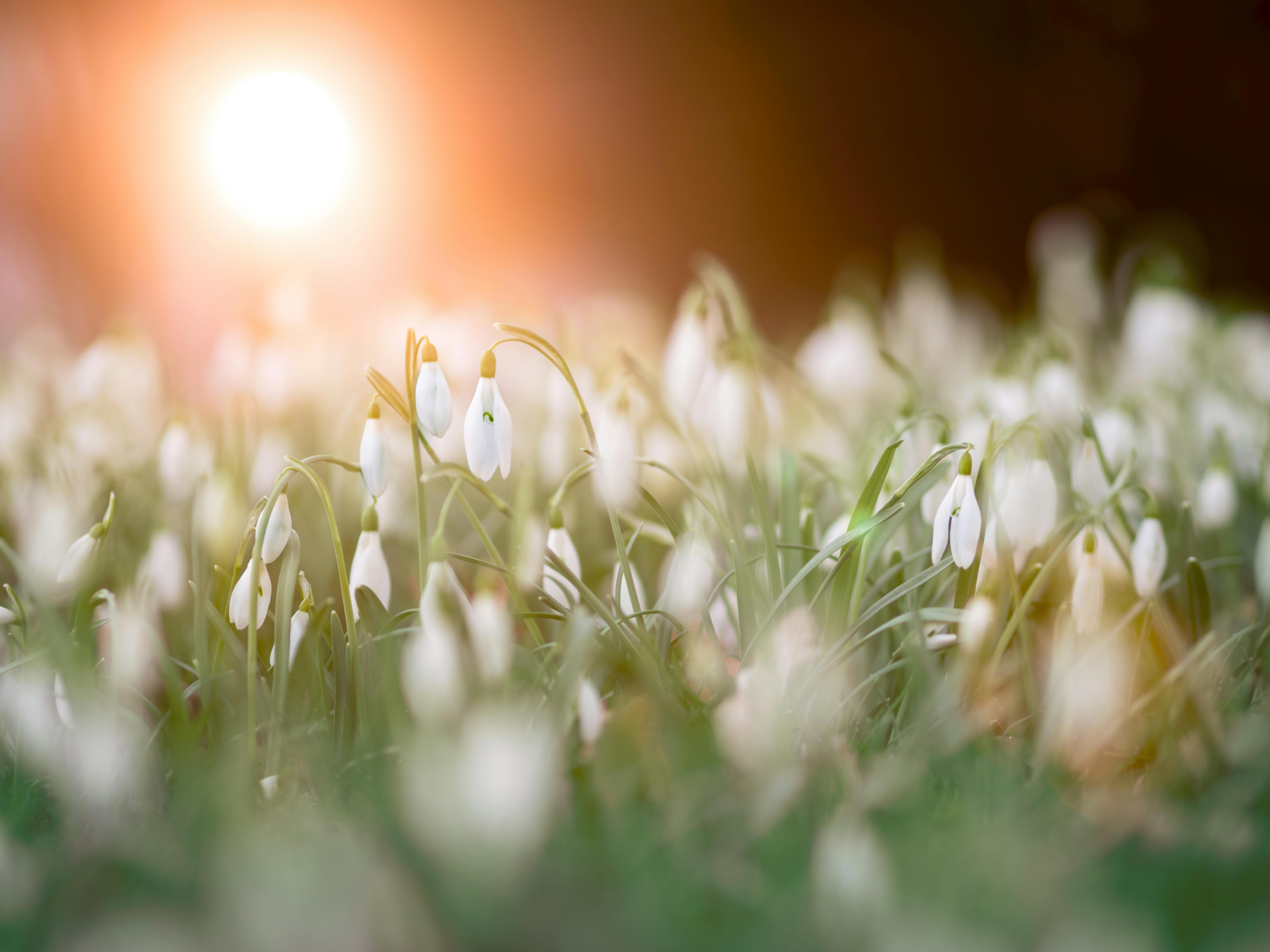
Imbolc is not quite the celebration of spring, but celebration of the stirring and an encouragement to persevere. It is a cross-quarter day between winter and spring. This year, I had a taste of what Imbolc means when our furnace broke down for the second time, which reminded me of how in the old days this may be a time when food resource and candle supplies may be running low and you really anticipate for the warmer days and longer daylight to come. I feel it is so much more subtle in its celebrations, but with its associations with the Irish goddess Brigid, it honors the home like Chinese new year does.
This year, the two holidays line up in the same week! So, I wish everyone a happy lunar new year and a blessed Imbolc, whichever you celebrate. May health, safety, and prosperity be abundant in your home.
 Nature Spirituality
0 comments on “Chinese New Year and Imbolc”